
The Aphrodites Guide
Fusion wedding makeup: one look, two cultures
When two families, two traditions and two wardrobes come together over love — your makeup has to keep up. Here's what I've learned from years of fusion weddings.
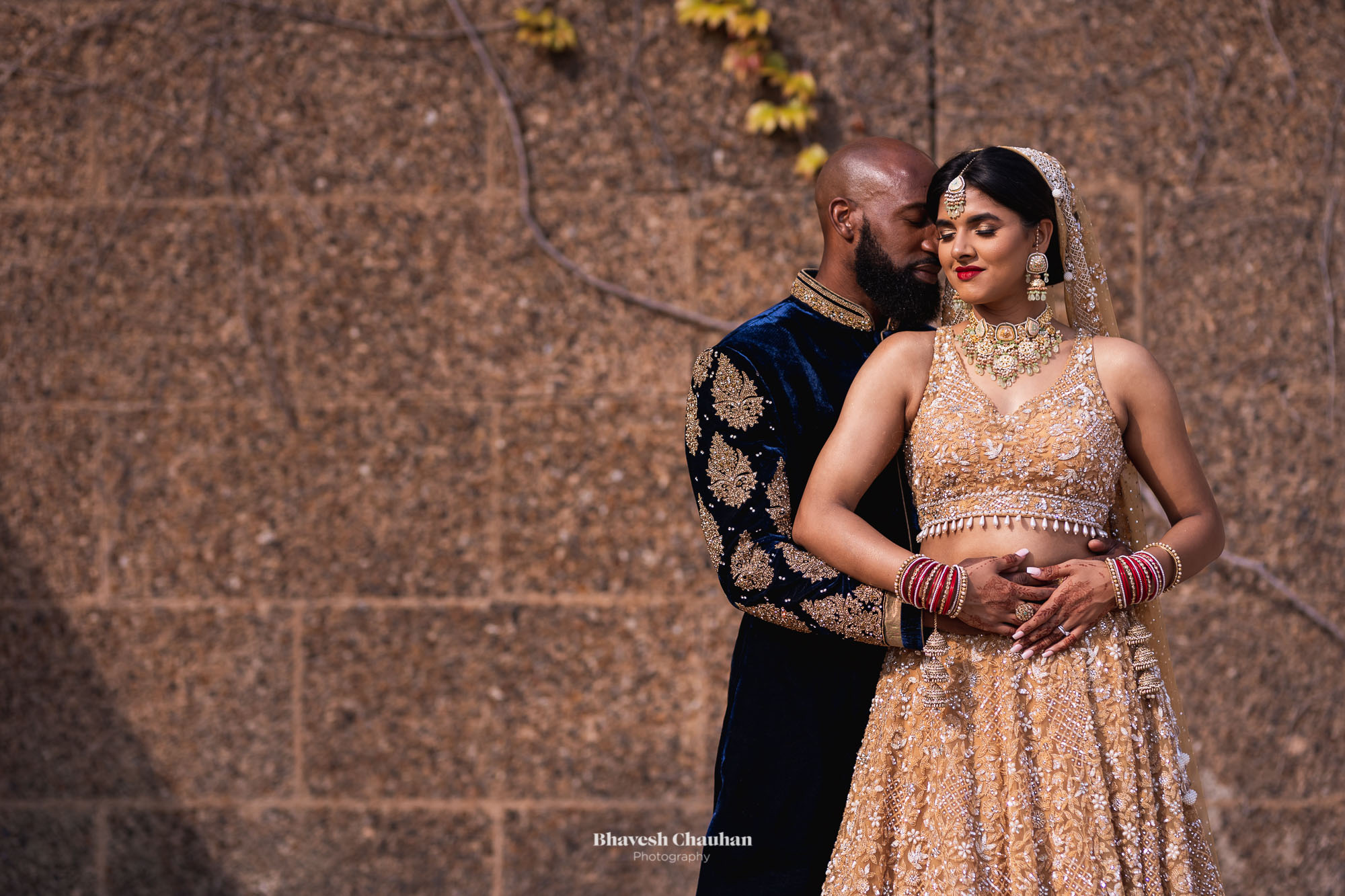
What a fusion wedding actually means
"Fusion" can mean a few things, but the weddings I see most are where one partner is Indian or from another culture, marrying someone from a different background — and the day weaves both cultures together. Honestly, they're some of my favourite weddings to work. You see so many variations of it, so much colour, and two completely different families coming together over love. It's genuinely lovely to be part of.
But they do ask more of your hair and makeup than a single-ceremony day. Here's what I'd want every fusion bride to think about before she books anyone.
1. Are you doing an outfit change?
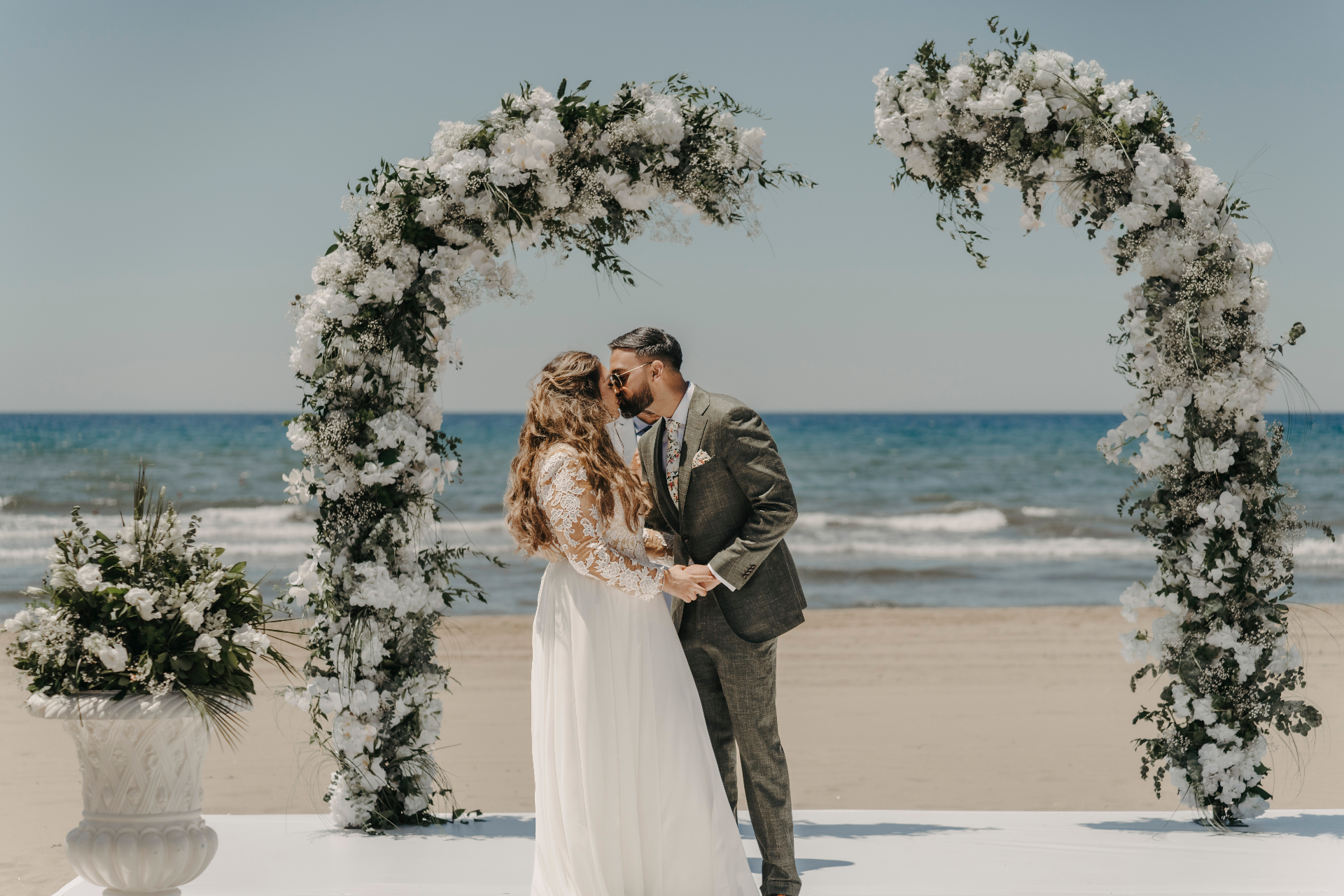
This is the first question, because it shapes everything else. With fusion weddings, the pattern I see most is a classic English gown for the ceremony, then a change into an Indian outfit — a lehenga or saree — for the evening.
If that's you, decide early whether your hair and makeup stay the same across both looks. Most brides keep one look — sometimes because they love it, sometimes because budget doesn't stretch to two full makeup changes. And that's completely fine, as long as the one look is designed to work both ways.
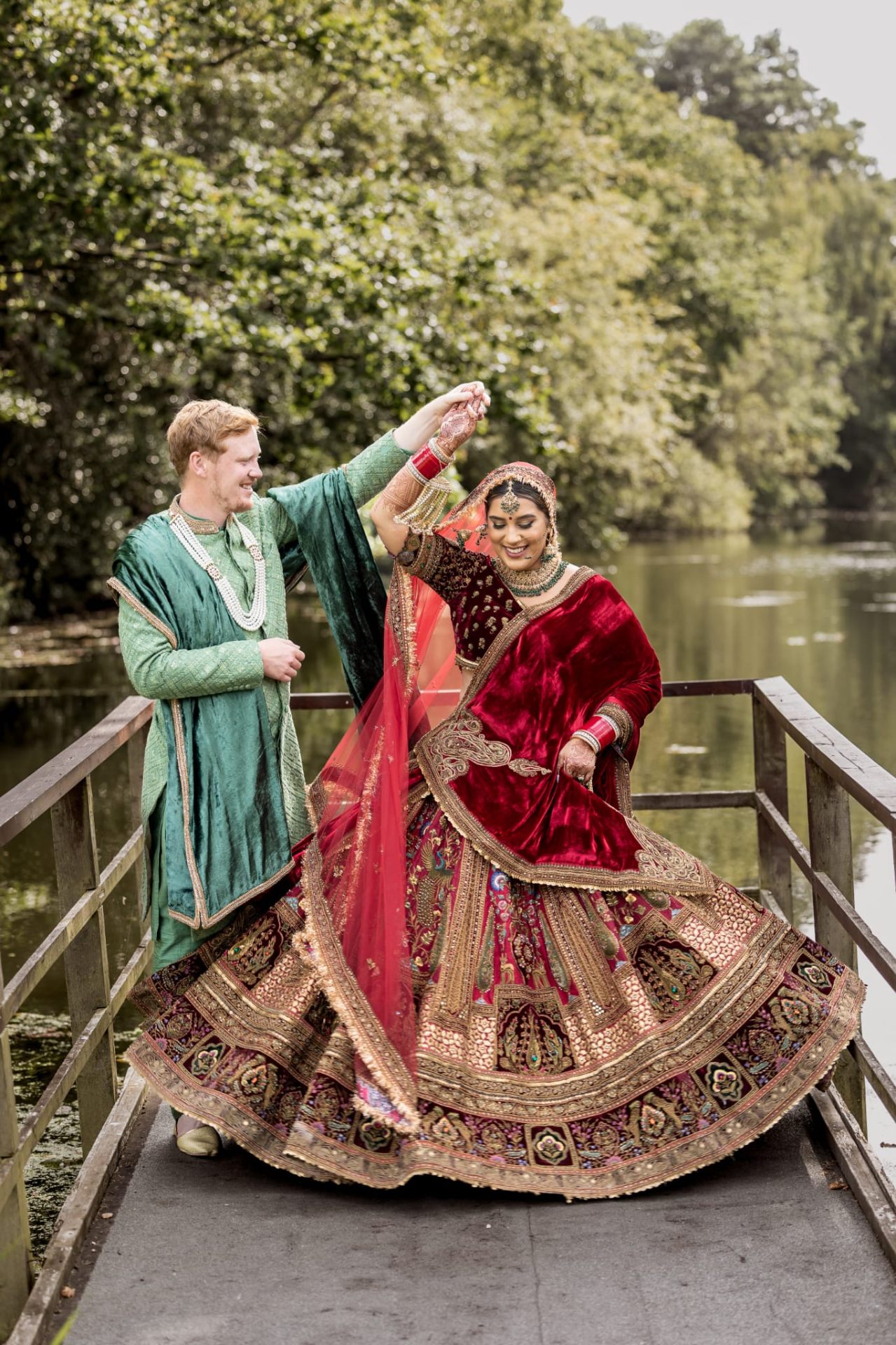
2. One face, two very different dresses
This is the part people underestimate. Eastern bridalwear — lehengas, sarees — is bold. Golds, bronzes, champagnes, bright thread work, reds, oranges, pinks, with heavy embellishment throughout. Western gowns are usually the opposite: white or ivory, classic, simple, with delicate jewellery.
You can't wear the full, rich makeup of an Indian ceremony with a simple white gown — it overwhelms it. And you can't carry a very soft, classic English look into a red lehenga, because the outfit does all the talking and your face takes a backseat.
The answer is a look built to translate: strong enough to hold its own against a heavily embellished lehenga, refined enough to sit beautifully with an ivory gown. It's a balance, and getting it right is genuinely a skill — it's not easy to do.
3. Choose an MUA who understands the whole day
The most useful thing your makeup artist can give you isn't a product — it's an understanding of the layout of your day. A good fusion MUA will ask what you're wearing and when, advise you on what will work across both halves, and be honest when two completely different looks are the better answer.
And it works both ways: be flexible enough to take that expertise on board. When the advice and your vision fit together, the whole day feels effortless — and you look like yourself in every photograph, in both dresses.
Questions to ask before you book
- Have you done fusion or multicultural weddings before?
- Can one look be designed to work across both of my outfits?
- If I change outfits, can you stay for a touch-up or a second look — and what would that cost?
- How do you match base shades for my skin tone so it lasts a long day?
Planning a fusion wedding?
989+ brides, 14 industry awards, one bride per day. Tell me about your day — both halves of it — and I'll tell you honestly how I'd approach it.
Check my availability